.png?width=500&height=334&name=Golden%20triangle%20with%20interlocking%20Greek%20letters%20(1).png)
PSSR in Times of Geopolitical Uncertainty
Ensuring Readiness Before It Matters Most.

Introduction
In today’s volatile geopolitical environment, operational disruptions are no longer rare events, they are expected realities. From supply chain interruptions to sudden shutdowns and restarts, facilities are increasingly exposed to uncertainty. In such conditions, the importance of Pre-Startup Safety Review (PSSR) becomes critical.
PSSR is not just a procedural requirement, it is a last line of defense before introducing risk into the system.
Secondary Incidents: The Hidden Risk After an Attack
In the context of geopolitical uncertainty, the initial event is often not the greatest threat. The secondary incidents that follow can be far more damaging.
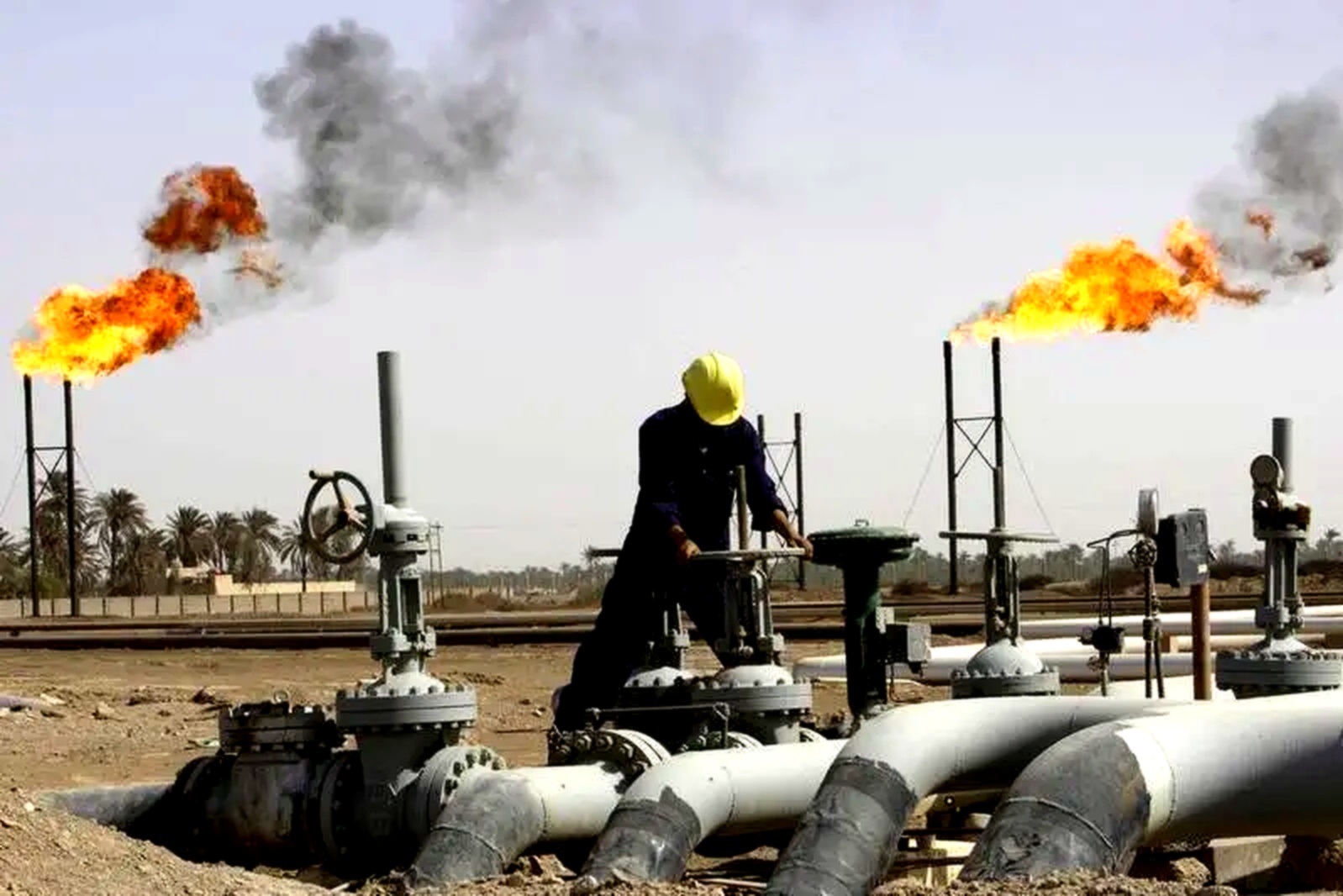
After an attack or disruption, facilities may face:
- Loss of containment due to compromised equipment
- Fire escalation from damaged systems
- Failure of safety-critical elements (SCEs)
- Utility disruptions affecting process stability
- Emergency repairs or temporary fixes introduced under pressure
These conditions create a highly unstable operating environment, where normal assumptions no longer apply.
Why PSSR Becomes Critical
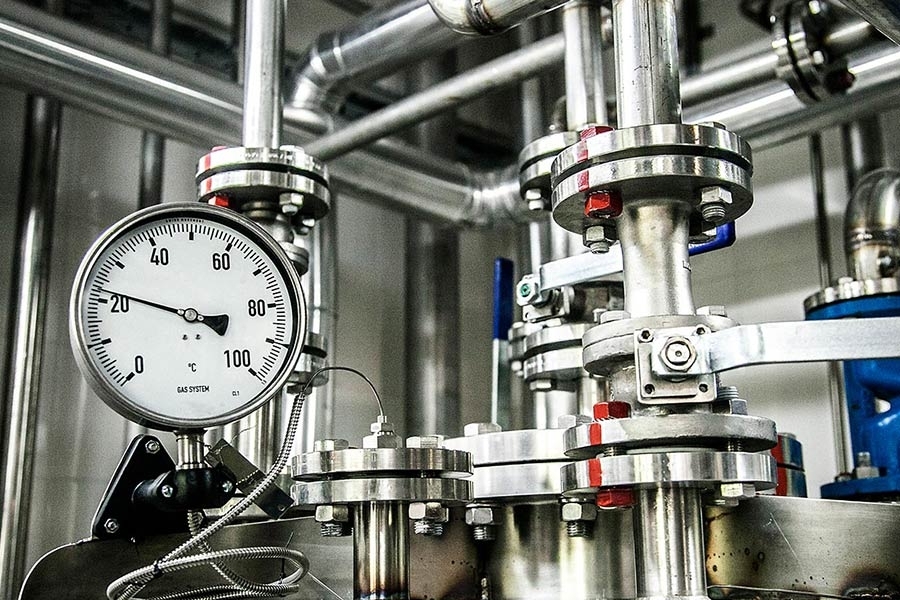
Before restarting operations after such events, a structured Pre-Startup Safety Review (PSSR) must ensure:
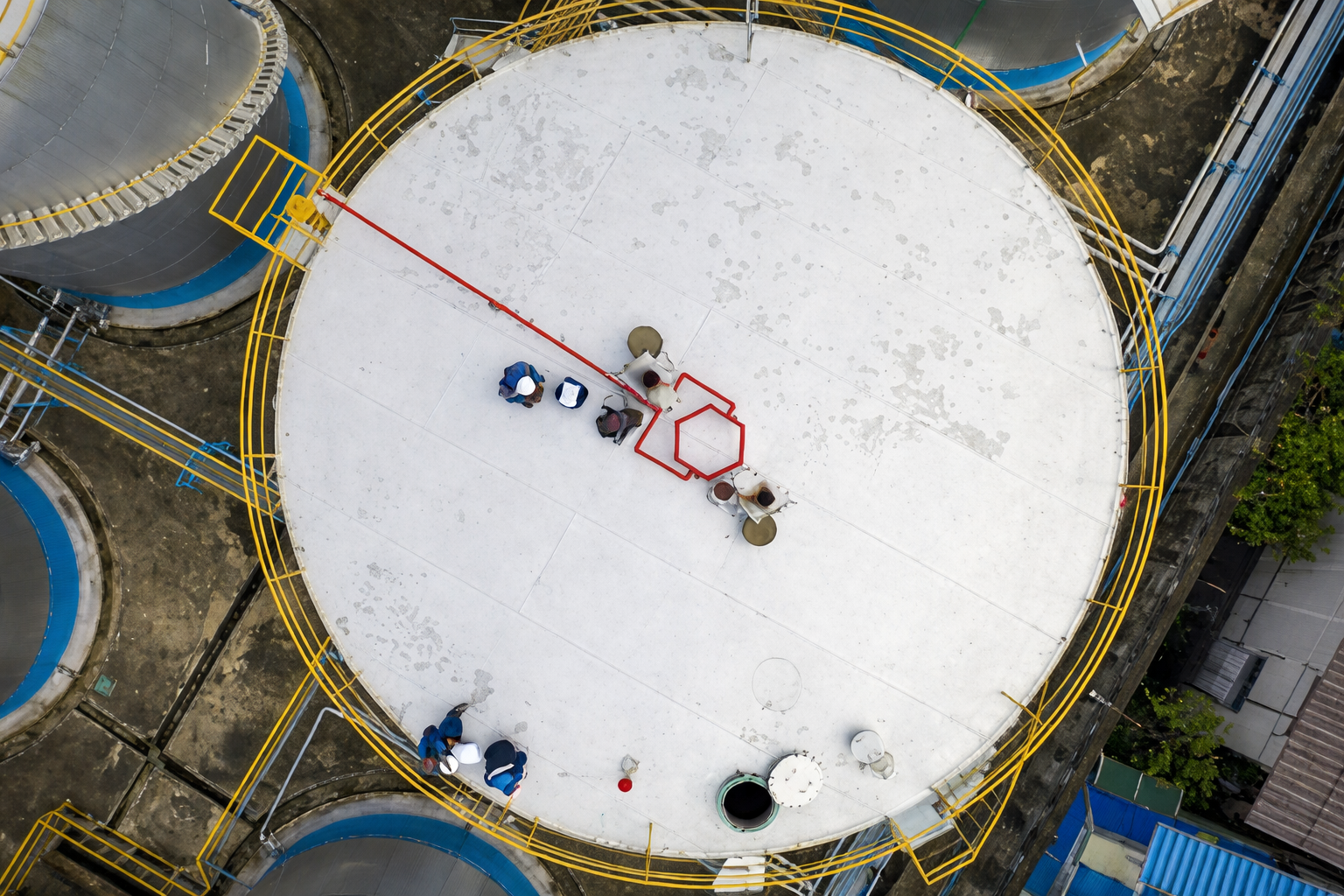
- All damage (visible and hidden) is assessed
- Temporary repairs are validated for integrity
- Safety systems are fully functional
- No new risks have been introduced during recovery
Without this, restart itself becomes a trigger for secondary failure.
Common Gaps Observed
In many organizations, PSSR is often treated as:
- A checklist exercise
- A formality before startup
- A responsibility limited to operations
This leads to:
- Incomplete verification of safety-critical systems
- Lack of cross-functional validation
- Overlooking temporary or emergency changes

Mu Xi BeTa Perspective (μ–ξ–β Applied)
μ (Measurement)
- Validate equipment readiness
- Confirm inspection and maintenance status
- Ensure documentation completeness
ξ (Transformation)
- Assess uncertainty introduced by recent changes
- Evaluate deviations from normal operating conditions
β (Decision)
- Determine readiness for startup
- Define additional safeguards if required
Final Insight
Key Recommendations
- Treat PSSR as a risk validation process, not a checklist
- Integrate with Management of Change (MOC)
- Ensure multi-disciplinary involvement
- Focus on barrier verification, not just compliance
Conclusion
In uncertain times, the cost of getting startup wrong is significantly higher than the cost of delay.
A well-executed PSSR ensures that uncertainty does not translate into failure.